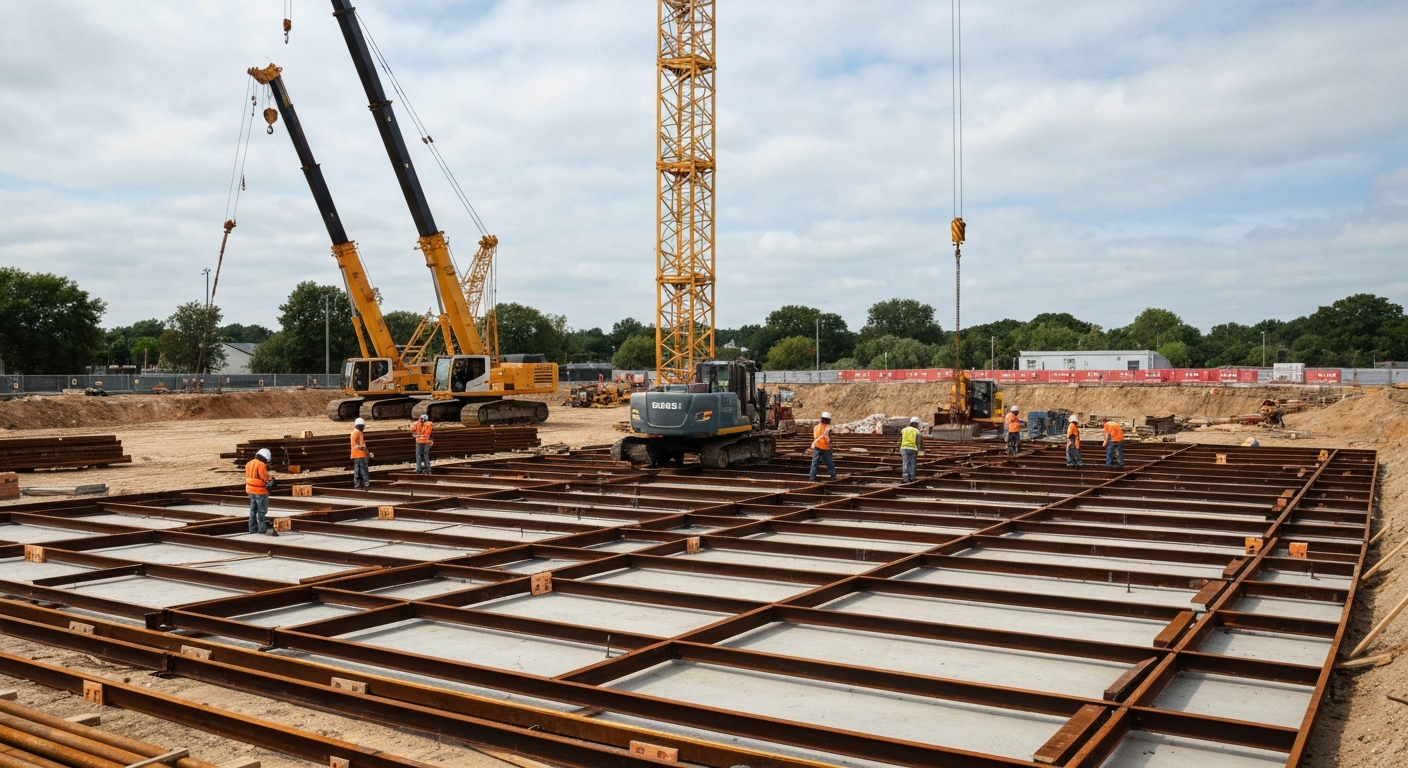
Driving past, we often see them: towering cranes, busy workers in hard hats, piles of materials, and the constant hum of activity. Construction sites are a ubiquitous part of our urban and rural landscapes, often viewed with a mix of curiosity and mild inconvenience. But beneath the surface of dust and machinery lies a fascinating, complex, and highly coordinated operation. These sites are the birthplaces of our homes, offices, roads, and infrastructure, representing progress, innovation, and immense human effort.
What Exactly *Is* a Construction Site?
At its core, a construction site is any piece of land or property where building, renovation, demolition, or repair work is taking place. It's a temporary workplace transformed into a dynamic hub of activity, where raw materials are assembled, shaped, and transformed into a finished structure or infrastructure. From a small home extension to a sprawling skyscraper project, every construction site shares fundamental characteristics: a defined scope of work, a team of professionals, specific safety protocols, and a timeline.
The Symphony of a Construction Site: Key Phases of Development
A construction project doesn't just magically appear. It unfolds in a series of meticulously planned stages, much like a symphony building to its crescendo:
Pre-Construction & Planning: Before the first shovel hits the ground, extensive planning occurs. This involves architects designing the structure, engineers ensuring its integrity, obtaining necessary permits, budgeting, and scheduling. This foundational phase is crucial for a smooth execution.
Site Preparation & Foundation: The site is cleared, leveled, and excavated. This is where the crucial foundation is laid, anchoring the future structure to the ground. This phase is critical for the stability and longevity of the entire build.
Structural Framework: For buildings, this involves erecting the skeleton – whether it's steel beams, concrete, or wood framing. This gives the structure its shape and strength, making it recognizable to passersby.
Enclosure & Utilities (MEP): Once the main structure is up, the building is enclosed with walls, roofing, and windows, protecting it from the elements. Simultaneously, the essential Mechanical, Electrical, and Plumbing (MEP) systems are installed, bringing life-giving services like water, power, and climate control into the structure.
Interior & Exterior Finishes: This is where the aesthetics come to life. Interior work includes drywall, flooring, painting, fixture installation, and cabinetry. Exterior finishes might involve cladding, landscaping, and final touches to the facade.
Completion & Handover: After rigorous inspections and quality checks, the project is deemed complete. The site is cleaned up, equipment is removed, and the finished structure is handed over to its owners.
Who Makes It All Happen? The Diverse Team Behind the Build
A construction site is a bustling ecosystem powered by a diverse array of professionals:
Project Managers & Superintendents: They are the maestros, overseeing the entire project, managing budgets, schedules, and personnel.
Architects & Engineers: The visionaries and problem-solvers who design the structure and ensure its structural integrity, safety, and functionality.
Skilled Tradespeople: Carpenters, electricians, plumbers, masons, welders, and many more – these are the hands-on experts who bring the designs to life with their specialized skills.
Heavy Equipment Operators: Masters of machinery, they skillfully operate cranes, excavators, bulldozers, and other heavy equipment essential for large-scale operations.
Safety Officers: Crucial guardians, they ensure compliance with safety regulations and implement measures to protect everyone on site.
The Unsung Hero: Safety on Site
Given the inherent risks involved, safety is paramount on any construction site. Every worker undergoes training, and strict protocols are in place to prevent accidents. This includes mandatory Personal Protective Equipment (PPE) like hard hats, safety glasses, high-visibility vests, and steel-toed boots. Regular safety briefings, hazard assessments, and the implementation of fall protection, scaffolding safety, and electrical safety measures are daily practices. A safe site is an efficient site, and prioritizing worker well-being is non-negotiable.
Beyond the Blueprints: Technology and Innovation
Today's construction sites are far from rudimentary. They embrace cutting-edge technology to enhance efficiency, safety, and precision. Building Information Modeling (BIM) software creates 3D models for better visualization and clash detection. Drones are used for site mapping and progress monitoring. Robotics and prefabrication are streamlining processes, making construction faster, greener, and often safer. These advancements are continually reshaping how structures are built, paving the way for even more ambitious projects.
Conclusion: Appreciating the Art of Construction
The next time you pass a construction site, take a moment to look beyond the barriers and see the intricate ballet unfolding within. It's a testament to human ingenuity, collaboration, and dedication. From the initial spark of an idea to the final finishing touches, construction sites are dynamic canvases where dreams take tangible form, shaping our skylines and building the world around us, one meticulously planned step at a time.