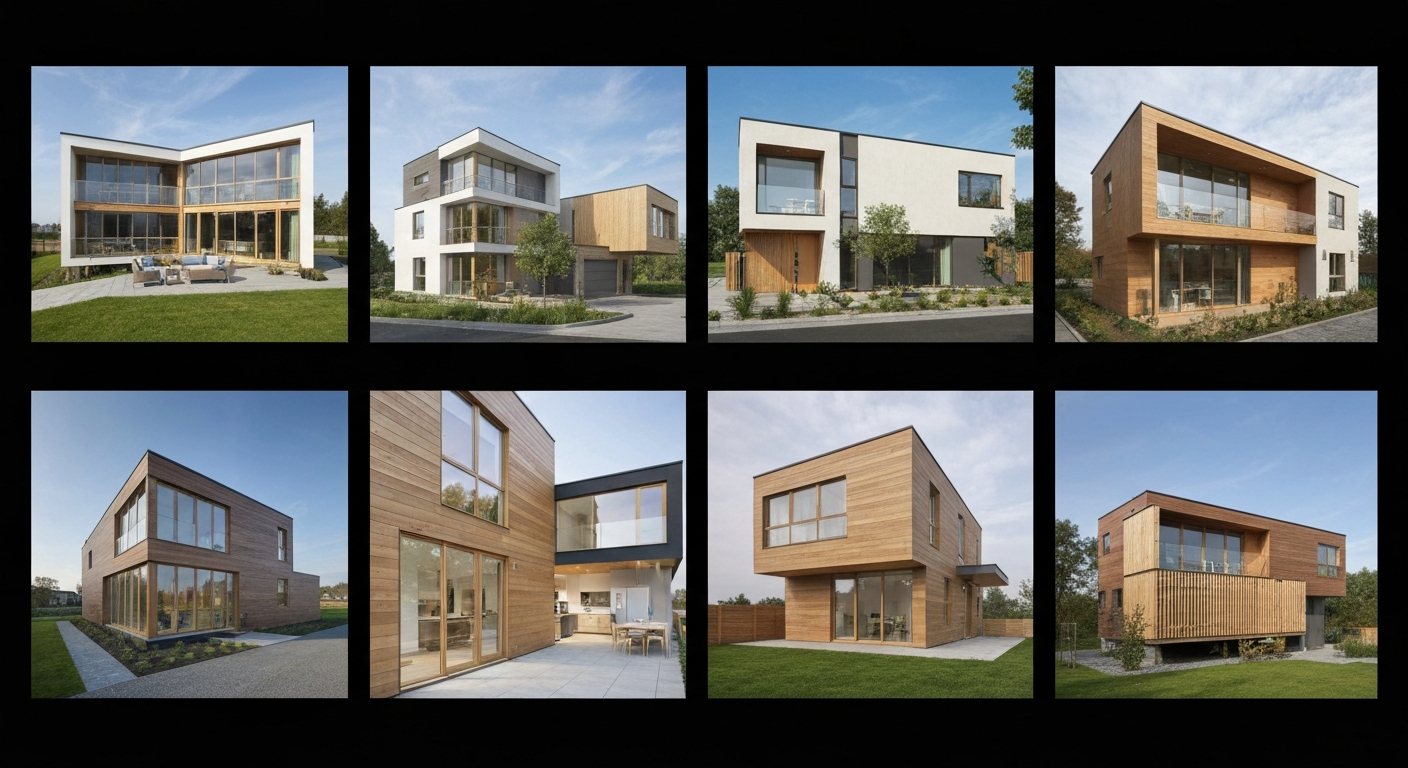
When we think of 'modern housing,' images of sleek lines, expansive windows, and cutting-edge technology often come to mind. But what truly defines a modern home, and how has it evolved to meet the demands of contemporary living? It's much more than just a style; it's a philosophy that integrates design, functionality, and sustainability to create spaces that are not only beautiful but also intelligent and efficient.
In this post, we'll take a closer look at the key characteristics that set modern housing apart, explore its numerous benefits, and even touch upon some of the considerations for those looking to embrace this innovative approach to homeownership. Prepare to discover how modern homes are reshaping the way we live, work, and interact with our environment.
What Exactly is Modern Housing?
At its core, modern housing refers to homes designed and constructed with a focus on contemporary architectural principles, advanced building techniques, and an understanding of current lifestyle needs. It's a departure from traditional styles, emphasizing clean aesthetics, open spaces, and an integration of technology and eco-conscious features.
Key Characteristics That Define Modern Homes:
Minimalist Design & Open Floor Plans: Modern homes often feature uncluttered aesthetics, clean lines, and a deliberate absence of ornate detailing. Open floor plans are paramount, blurring the lines between living, dining, and kitchen areas to create a sense of spaciousness and fluidity. This encourages natural light to penetrate deeper into the home, making spaces feel larger and more inviting.
Integration of Technology (Smart Homes): From smart thermostats and lighting systems to integrated security and entertainment, modern housing is increasingly connected. These technologies offer convenience, enhance comfort, and can even contribute to energy savings by allowing homeowners to monitor and control their environments remotely.
Sustainability and Energy Efficiency: A hallmark of modern housing is its commitment to reducing environmental impact. This includes the use of sustainable materials, energy-efficient appliances, superior insulation, and often renewable energy sources like solar panels. Designs frequently incorporate passive heating and cooling strategies to minimize reliance on artificial climate control.
Emphasis on Natural Light & Views: Large windows, often floor-to-ceiling, are a common feature, maximizing natural light and offering expansive views of the surrounding landscape. This connection to the outdoors not only brightens interiors but also creates a sense of tranquility and well-being for occupants.
Functional and Adaptable Spaces: Modern homes are designed with practicality in mind. Spaces are often multi-functional, adapting to various needs throughout the day. For instance, a dining area might double as a workspace, or a guest room might include a flexible murphy bed system to maximize space when not in use.
The Benefits of Living in a Modern Home
Beyond their striking appearance, modern homes offer a host of tangible advantages that can significantly improve your quality of life:
Improved Comfort and Lifestyle: Smart home features simplify daily routines, while open layouts foster a more social and inclusive living environment. The abundance of natural light has been shown to boost mood and productivity.
Lower Utility Bills: Thanks to advanced insulation, energy-efficient systems, and smart technology, modern homes consume less energy for heating, cooling, and lighting, leading to significant savings on utility bills over time.
Enhanced Durability and Low Maintenance: Modern construction often utilizes high-quality, durable materials that require less frequent maintenance compared to older homes. Contemporary building codes also often ensure higher standards of structural integrity.
Greater Resale Value: Homes that are up-to-date with current design trends, technology, and energy efficiency standards tend to be highly desirable in the real estate market, often commanding a higher resale value.
Environmental Responsibility: For those conscious about their ecological footprint, modern homes offer a path to greener living. Reduced energy consumption and sustainable material choices contribute positively to the environment.
Considerations for Embracing Modern Housing
While the allure of modern housing is strong, it's also important to consider a few factors:
Initial Investment: Cutting-edge technology and sustainable materials can sometimes lead to a higher upfront cost compared to conventional builds, though this is often offset by long-term savings.
Technology Updates: As technology evolves rapidly, homeowners might need to periodically update certain smart home systems to keep pace, though many systems are designed for modular upgrades.
Personal Style: While adaptable, the minimalist aesthetic might not appeal to everyone. Personalizing a modern home often involves careful selection of furniture and decor to maintain its clean lines.
The Future is Now: The Evolution Continues
Modern housing is not a static concept; it's continuously evolving. We're seeing trends like prefabrication, modular construction, and even greater integration of AI and biometric security systems. As our understanding of materials, energy, and human well-being deepens, so too will the innovations within modern home design. The focus will likely shift even more towards creating homes that are not just smart, but truly intuitive and responsive to individual occupants.
Conclusion
Modern housing represents a significant leap forward in how we design and inhabit our living spaces. It's a thoughtful blend of aesthetic appeal, technological sophistication, and environmental consciousness, creating homes that are not just shelters but intelligent environments tailored for contemporary life. Whether you're drawn to the sleek designs, the promise of lower utility bills, or the commitment to sustainability, modern housing offers a compelling vision for the future of residential living. As we continue to navigate a rapidly changing world, the adaptability and efficiency of modern homes will undoubtedly play an increasingly vital role in shaping our comfort and well-being.